BIGSTORY Network


Expert Diaries Feb. 17, 2026, 6:02 p.m.

The "Samridh" Blueprint: How to Turn a ₹5,000 SHG Income into ₹15,000 in Months

A new study reveals how the "Samridh Tejeshwani" model in Meerut boosted rural women's income by 80%. Forget charity; this is about branding, bioenzymes, and B2B.
by Author Brajesh Mishra
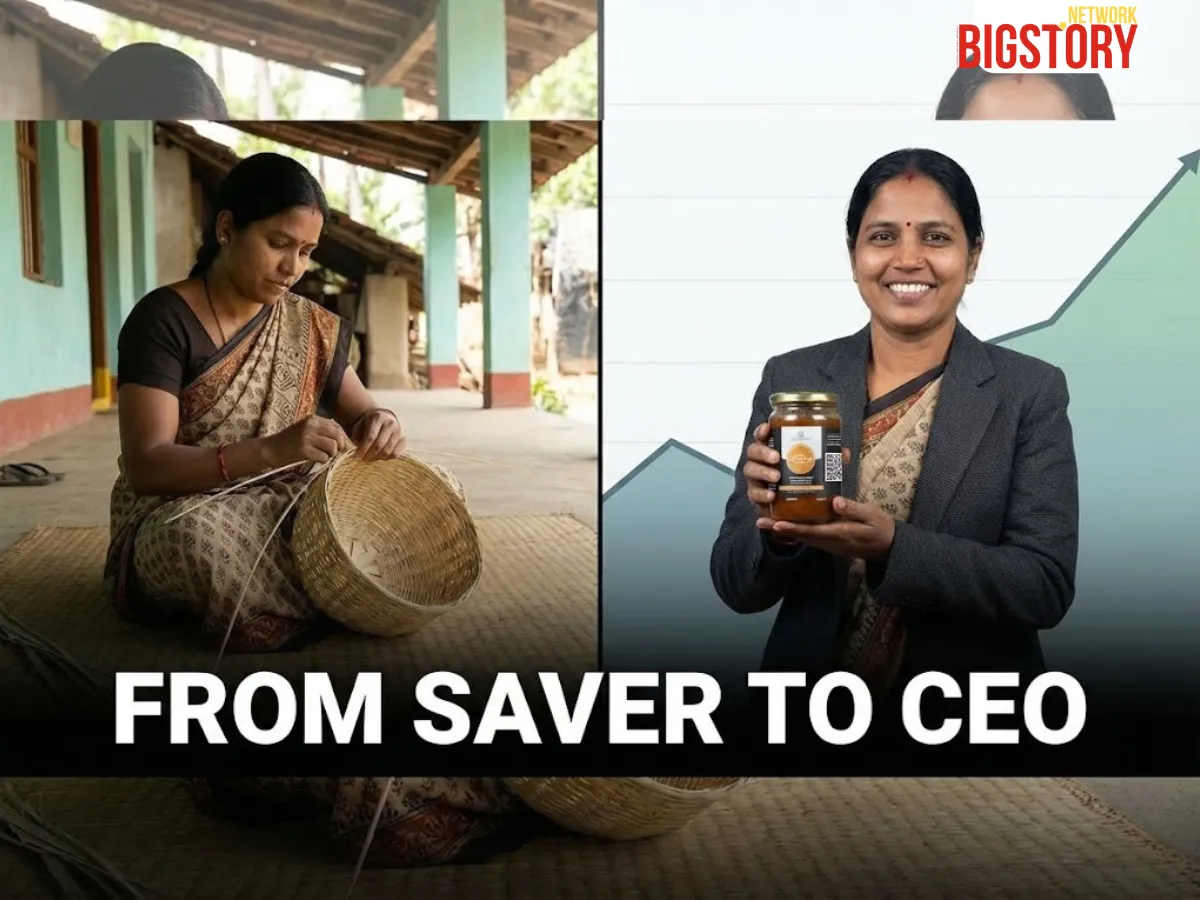
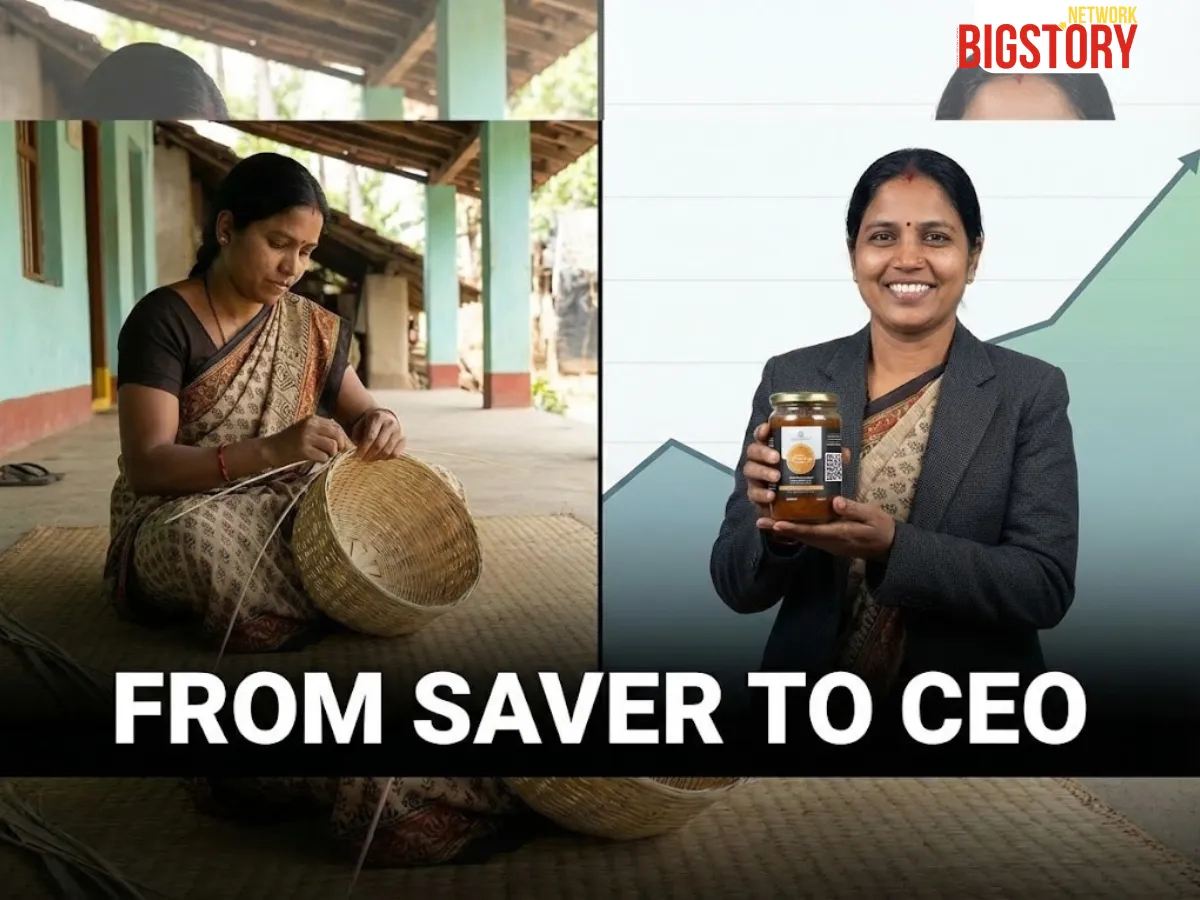
Hero Image

Moving Beyond Informality

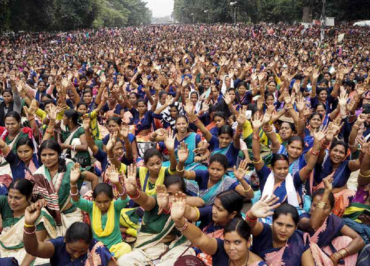
India presents a complex paradox regarding female labor. While rural women often display higher engagement in work compared to their urban counterparts, this participation is overwhelmingly characterized by informality, seasonality, and wage inequality. Structural constraints—identified by the Rangarajan Committee on Financial Inclusion—such as lack of collateral and weak credit absorption capacity, have historically limited these women to subsistence-level activities.

A new study led by Shikha Dhawan and colleagues in the Dynamics of Rural Society Journal challenges this status quo. Focusing on Meerut District, Uttar Pradesh, the research introduces the concept of the "Samridh Tejeshwani"—a term denoting an economically independent and socially empowered Self-Help Group (SHG) member. The findings offer a replicable blueprint for transforming informal savings groups into robust, market-linked micro-enterprises.

The Input-Process-Output (IPO) Framework

The core innovation of this study lies in its departure from isolated interventions. Instead of merely providing credit, the researchers applied a rigorous Input-Process-Output (IPO) framework to nine SHGs across seven villages.

  • Inputs: The model leveraged multi-stakeholder engagement, combining National Rural Livelihood Mission (NRLM) linkages with digital innovations and e-commerce platforms.
  • Processes: The intervention went beyond basic training to include "new age communication tools," social mobilization, and specific skill development in areas like branding and leadership.
  • Outputs: The result was not just increased income, but "ecosystem development"—creating assured markets, asset accumulation, and positioning women as "Ambassadors of Change" within their Gram Panchayats.

Sector-Specific Transformations: Case Studies

The study provides detailed evidence of how this framework was applied across diverse sectors, proving that rural livelihoods can move far beyond traditional handicrafts.

1. The "Waste-to-Value" Circular Economy (SHG 3 & 8) Perhaps the most forward-thinking intervention involved the creation of green enterprises.

  • SHG 3 was trained to manufacture chemical-free, "tree-free" paper using jute and agro-waste. By setting up infrastructure for production and drying, they created sustainable packaging solutions (stationery, wrapping sheets) that were then sold to other SHGs, effectively creating an internal B2B market.
  • SHG 8 diversified into floriculture but added a critical innovation: bioenzyme production. Members were trained to convert organic waste into natural pest repellents and eco-friendly household cleaners. This "waste-to-value" initiative opened dual revenue streams and established a circular economy model now being replicated by other groups.

2. The Mushroom Turnaround (SHG 6) Prior to intervention, this group had zero income from mushroom cultivation. The study introduced comprehensive training covering everything from spawn generation to harvesting. By collaborating with a startup, they expanded into high-value medicinal mushrooms and value-added products like pickles and soups. This group achieved a complete economic turnaround, transitioning from non-earners to profit-generating entrepreneurs.

3. Modernizing Tradition with Branding (SHG 1, 2 & 7) For traditional sectors, the "Samridh Tejeshwani" model emphasized professionalization.

  • SHG 1 (Sports Goods): The introduction of logos, branding, and an online catalogue allowed their products to penetrate educational institutions and general public markets, rather than staying local.
  • SHG 7 (Honey & Vinegar): The focus here was on compliance and sustainability. Products were bottled in reusable glass containers with FSSAI-compliant labels, and the group was introduced to e-commerce platforms for online sales.

The Financial Audit: Tangible Gains

The economic impact of these structured interventions was substantial. Post-intervention data revealed that the average monthly income of SHG members increased by 61% to 80%.

  • Floriculture (SHG 8): Saw the highest jump, with monthly income rising from ₹5,000–10,000 to approximately ₹15,000—an ~80% increase.
  • Handmade Jewellery (SHG 2): Income rose from ₹1,500 to ₹5,000 (~70% increase) following the introduction of metal beads, new designs, and partnerships with government showrooms.
  • Traditional Food (SHG 4): Income jumped from ~₹1,500 to ₹2,500 after adopting hygienic processing and glass packaging.

Beyond Economics: The Social Audit

The "Samridh Tejeshwani" initiative argues that true empowerment extends beyond the balance sheet. A composite assessment of socio-economic outcomes showed that 100% of members reported improvements in leadership development and respect within their families.

The women demonstrated enhanced proficiency in collective financial management, including budgeting and profit distribution. This social capital translated into public recognition; notably, SHGs 5, 7, and 8 were honored with the "Udhmi Samman" award by a reputed NGO for their contribution to nurturing prosperous communities.

Expert Takeaway

The success of the "Samridh Tejeshwani" initiative in Meerut underscores a critical lesson for development professionals: Market linkages and branding are as vital as credit.

By integrating capacity building with institutional convergence—leveraging schemes like DAY-NRLM alongside private sector CSR support—SHGs can evolve from informal safety nets into sustainable, scalable businesses. This model offers a validated pathway for achieving UN Sustainable Development Goals 1 (No Poverty) and 5 (Gender Equality), proving that with the right "Input" and "Process," the "Output" is a resilient, independent rural economy.

FAQs

  • Q: What is the Samridh Tejeshwani initiative?
  • A: It is a development model tested in Meerut that transforms rural Self-Help Groups into economically independent micro-enterprises using branding and market linkages.
  • Q: How much did income increase under this model?
  • A: The study reports an income increase of 61% to 80%, with floriculture workers seeing their monthly earnings rise from ₹5,000 to ₹15,000.
  • Q: What is the IPO framework in this study?
  • A: It stands for Input-Process-Output. It involves combining government schemes (Inputs), skill/branding training (Process), to create asset accumulation and market access (Output).
  • Q: Who conducted the research on Samridh Tejeshwani?
  • A: The study was led by Shikha Dhawan and colleagues, and published in the Dynamics of Rural Society Journal.
  • Q: What are "bioenzymes" in this context?
  • A: SHG members were trained to convert organic waste into bioenzymes, which are used as natural pest repellents and eco-friendly cleaners, creating a new revenue stream.


Based on: Enabling economic independence among rural women through self-help groups: Evidence from the Samridh Tejeshwani initiative Source: Dynamics of Rural Society Journal, Vol. 4, No. 2, July 2026

Brajesh Mishra
Brajesh Mishra Associate Editor

Brajesh Mishra is an Associate Editor at BIGSTORY NETWORK, specializing in daily news from India with a keen focus on AI, technology, and the automobile sector. He brings sharp editorial judgment and a passion for delivering accurate, engaging, and timely stories to a diverse audience.

BIGSTORY Trending News! Trending Now! in last 24hrs

The "Samridh" Blueprint: How to Turn a ₹5,000 SHG Income into ₹15,000 in Months
Expert Diaries
The "Samridh" Blueprint: How to Turn a ₹5,000 SHG Income into ₹15,000 in Months
The Global AI Race and Talent Demand: Where Opportunity Meets Urgency
Expert Diaries
The Global AI Race and Talent Demand: Where Opportunity Meets Urgency
Fresh Minds, Bold Innovation: How Bharat’s Freshers Will Lead the AI Era
Expert Diaries
Fresh Minds, Bold Innovation: How Bharat’s Freshers Will Lead the AI Era
From Shadows to Strategy: Redefining India’s Intelligence Landscape
Expert Diaries
From Shadows to Strategy: Redefining India’s Intelligence Landscape